Guide to Recording Preparation
The outcome of a studio session depends heavily on the preparation performed before stepping through the door. Especially in vocal recording, technical readiness, physical condition, and a deep understanding of the song's structure directly impact the final audio quality. At Quemadozone, located in Naka-ku, Nagoya, we encourage our clients to follow a specific preparation routine to ensure that every minute of the session is used for creative expression rather than technical troubleshooting.
1. Finalizing Song Structure and Rehearsals
Before the record button is pressed, the song's architecture—including the intro, verses, pre-chorus, chorus, bridge, and outro—must be fully determined. Attempting to arrange the song's structure while the clock is running consumes valuable studio time and can disrupt the emotional flow of the performance.
We recommend that you finalize all lyrics and melody adjustments prior to your arrival. If your track involves complex rhythms or tempo changes, practice with a metronome until the timing is consistent. At our 120m² facility, we provide a professional environment, but the rhythmic precision comes from your home rehearsal. Ensuring you can execute the song without hesitation allows the engineer to focus on capturing the tone and emotion rather than correcting basic timing errors.
2. Physical Preparation of Lyrics and Charts
During a high-pressure recording session, it is common to lose track of a lyric or confuse the order of sections. While digital tablets are available, the light from a screen can sometimes be distracting in the controlled lighting of a vocal booth, potentially breaking the artist's concentration.
The most reliable method remains the printed lyric sheet. We suggest using a physical copy where you can mark breathing points, emphasize specific words with a bold pen, and note phrasing cues. This physical document serves as a shared reference between the artist in the booth and the engineer in the control room, facilitating faster communication and reducing the need for repeated takes due to simple lyrical mistakes.
3. Vocal Health and Physical Conditioning
The vocal folds are delicate muscles, and your physical state on the day of the session is reflected in the recording. Nagoya's climate, characterized by sharp temperature shifts between the humid summers and dry winters, can put significant strain on the throat.
- Hydration: Drink room-temperature water throughout the day. Avoid ice-cold beverages, as they can cause the vocal folds to contract, reducing flexibility and range.
- Dietary Choices: It is generally advised to avoid spicy foods or heavy dairy products immediately before a session, as these can create excess mucus or cause acid reflux, which affects vocal clarity.
- Rest: Adequate sleep the night before is essential for vocal stability and mental focus. A tired voice lacks the dynamic range required for professional-grade takes.
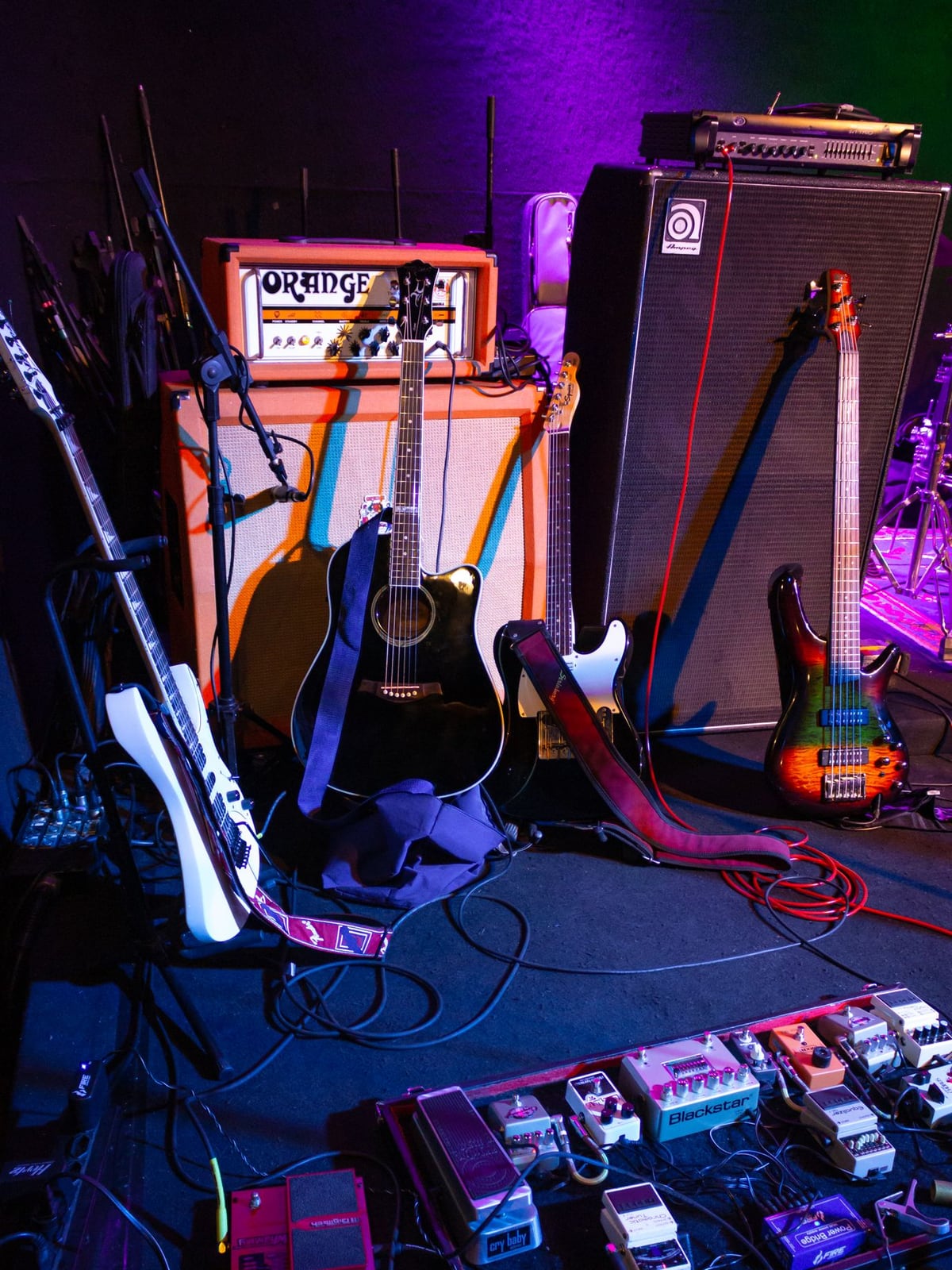
Photos are illustrative
4. Session Day Checklist
To ensure a seamless transition from the lobby to the vocal booth, please prepare the following items. Having these ready prevents delays and allows the team to start the soundcheck immediately.
| Item | Purpose | Priority |
|---|---|---|
| Finalized Lyrics | Reference for content and phrasing | Essential |
| Backing Tracks | The audio foundation for recording | Essential |
| Personal Headphones | Preferred monitoring environment | Recommended |
| Throat Lozenges / Water | Maintaining vocal condition | Recommended |
| Notebook and Pen | Recording notes and engineer feedback | Recommended |
5. Understanding the Studio Workflow
At Quemadozone, the process begins in the control room with a briefing between the artist and the engineer to align on the creative direction. Once the goal is clear, the artist moves to the vocal booth. Our standard recording process follows these steps:
- Sound Check: Selection of the appropriate tube microphone and gain adjustment to prevent clipping.
- Test Take: Recording a challenging section, such as the chorus, to verify the tone and headphone mix.
- Main Recording: Capturing the song in sections (comping) to ensure the highest quality for every phrase.
- Review and Retakes: Listening back to the takes and identifying specific areas that require refinement.
6. Optimizing Session Efficiency
Since studio time is billed per hour, effective time management is a financial priority for the client. For those using our Vocal Recording service, increasing the density of work per hour reduces the overall cost while maintaining professional results.
We encourage you to communicate openly with our engineers. Whether it is a question about microphone placement or a doubt about a specific take, an objective professional perspective can help you reach the desired sound faster. Remember that our team, including our chief engineer, is here to support your technical needs so you can remain in a creative state.
Summary and Next Steps
Thorough preparation allows you to enter the studio and focus entirely on the performance. If you have concerns about your readiness or wish to plan your finances for the session, please refer to our How to Budget Your Session guide.
Located in the quiet professional district of Naka-ku, Nagoya, Quemadozone provides the tools and expertise to bring your musical vision to life. For bookings or specific technical questions, please visit our Contact page.