File Formats and Delivery
Reading time: approx. 5 minAfter the recording and mixing process is complete, the format in which you receive your data directly impacts the quality of your distribution, pressing, and long-term archiving. This guide details the standard delivery formats used at Quemadozone and how to manage your project data effectively.
Industry Standard Audio Formats
To prevent any loss of sonic integrity, Quemadozone provides final deliveries primarily in WAV format, which is an uncompressed professional standard. While compressed formats like MP3 offer smaller file sizes for quick sharing, they discard high-frequency data and are not recommended for final master files or archival purposes.
We typically export files at a resolution of 24-bit / 48kHz or 96kHz. These specifications are widely accepted across global streaming platforms and broadcasting industries, ensuring that your audio retains sufficient detail for any future remastering needs.
Choosing Sample Rates and Bit Depth
It is crucial to determine the project's sample rate before the first recording session begins. 48kHz is the standard for most music production and video synchronization, while 96kHz is preferred for high-resolution projects, such as classical recordings or complex sound design, where extreme precision is required.
Regarding bit depth, we use 24-bit as our studio standard rather than 16-bit. This provides a significantly wider dynamic range, allowing our engineers to maintain a lower noise floor and ensure ample headroom during the gain staging process in the mixing phase.
The Importance of Stems and Multitracks
While a final stereo mix (2-mix) is essential, we strongly recommend delivery in "stem" format. Stems are grouped exports of your project—for example, a single file for all drums, one for bass, one for vocals, and one for all other instruments.
Having stems is invaluable when working with live PA engineers at venues, as it allows them to adjust the vocal level independently of the instruments. Furthermore, if you decide to revisit the project with a different engineer later, having the full multitrack data allows for total flexibility in re-editing and re-mixing.
Delivery Checklist
| Item | Recommended Format | Primary Use |
|---|---|---|
| Final Master | WAV (24-bit/48kHz) | Distribution & Sales |
| Reference File | MP3 (320kbps) | Quick Review/Preview |
| Stem Data | WAV (Grouped) | Live PA & Re-editing |
| Multitracks | WAV (Individual) | Complete Re-mixing |
Data Transfer Methods and Security
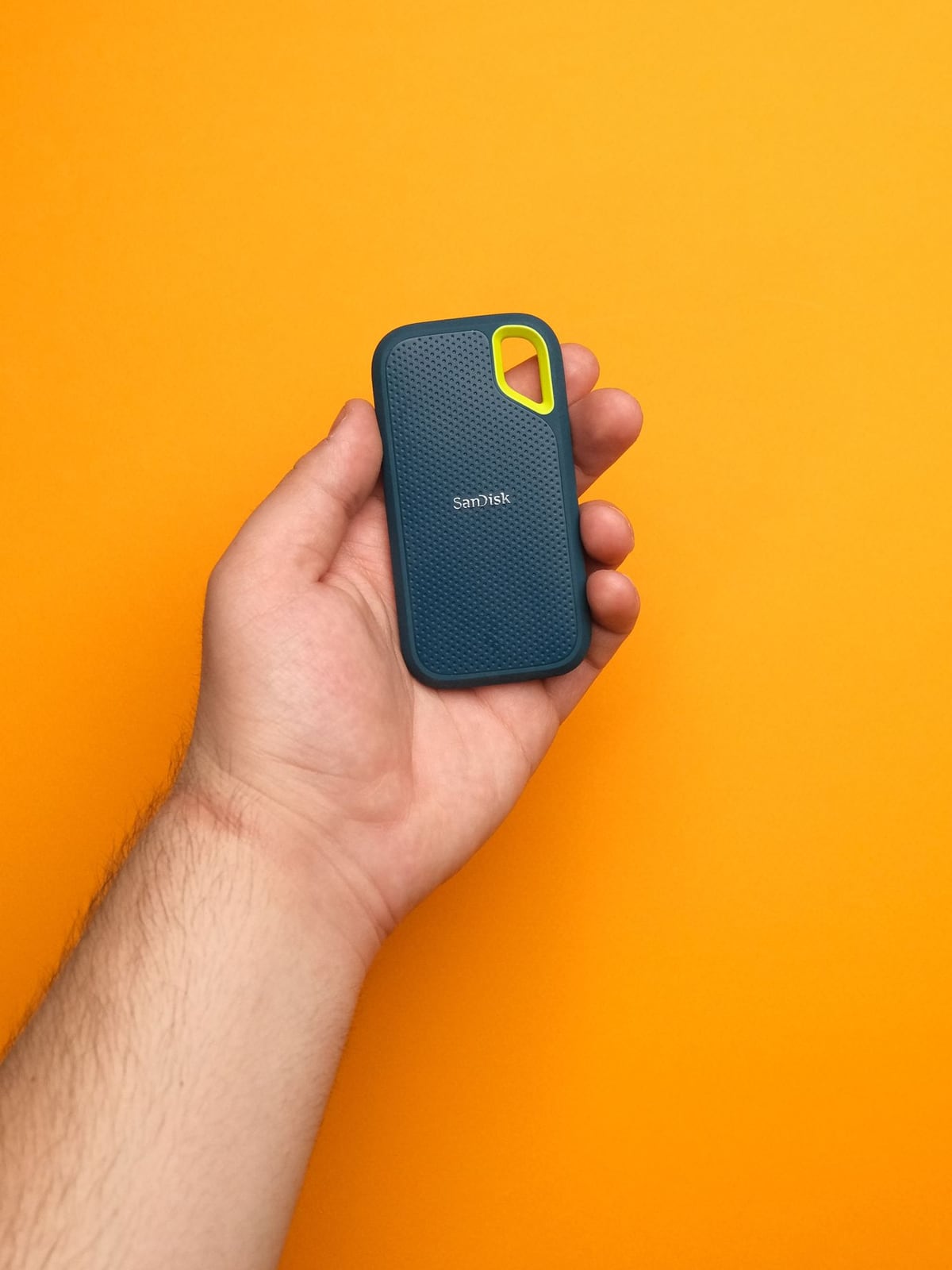
The most reliable way to receive your data is via a direct transfer to a high-speed external SSD or USB drive at our studio in Naka-ku, Nagoya. Using physical media is the fastest and safest method for transferring the massive file sizes associated with multitrack sessions.
For clients located further away or for those needing immediate access, we utilize secure cloud storage services such as Google Drive or Dropbox. To ensure stability and organization, files are delivered in ZIP archives with a clear, intuitive folder structure.
Archive and Storage Policy
To protect against accidental data loss, Quemadozone maintains a backup of your sessions on our studio servers for 12 months following the completion of the project. Within this period, we can assist with resending files or adjusting delivery formats if required.
Please be aware that due to storage limitations, data is permanently deleted after this 12-month window. We strongly urge all clients to maintain their own redundant backups across multiple physical drives and cloud services.
Production Flow in Nagoya
The music scene in Nagoya is home to a diverse range of artists and genres. We tailor our format suggestions to match the technical specifications of local live houses and event venues in the Aichi region.
If your specific venue or distributor requires a non-standard format, please let us know in advance so we can comply with those requirements during export. If you are still in the planning stages, we recommend reading our Guide to Recording Preparation.
Summary and Next Steps
Managing your audio data in the correct professional formats is an investment in the longevity and value of your work. If you are unsure which format is right for your specific goals, our engineers are available to propose the optimal delivery plan.
For specific requests regarding delivery or to discuss the file requirements for your current project, please reach out to us via our contact page.
Note: Photos are illustrative. Actual equipment configuration varies by session.